Thermostat Clicking but Nothing Happens? What It Means and 7 Fixes
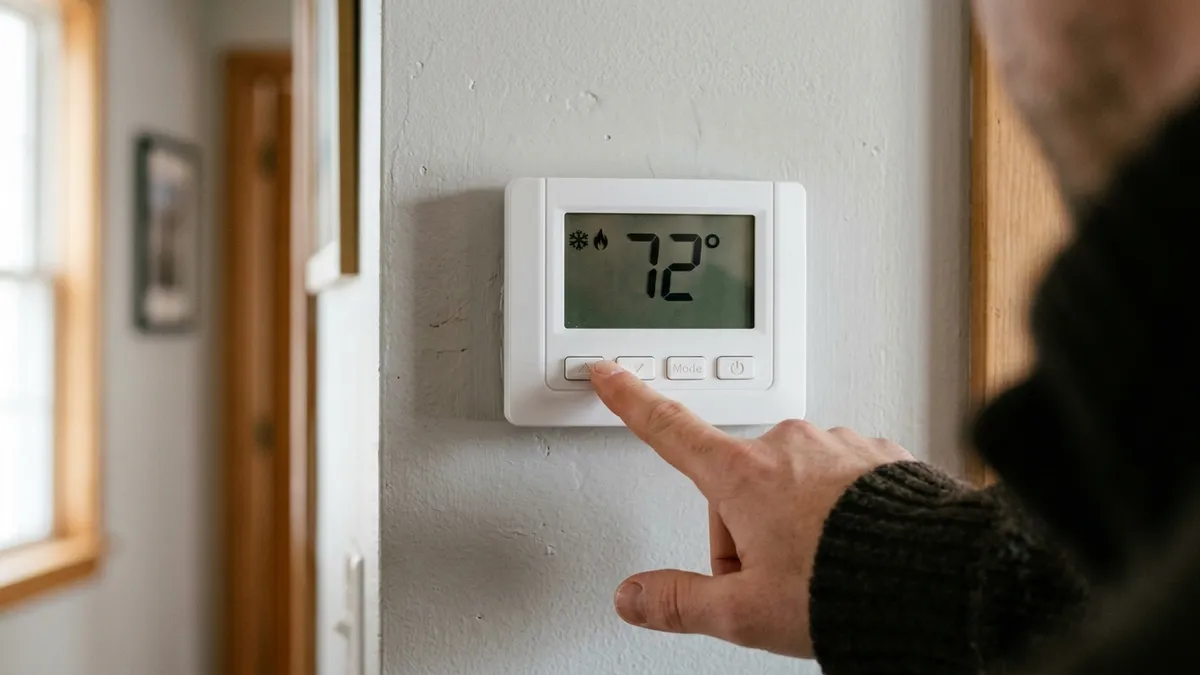
A thermostat click means it is sending the signal, so the problem is usually the equipment: a compressor delay, no power at the furnace, a tripped float switch or a loose wire.
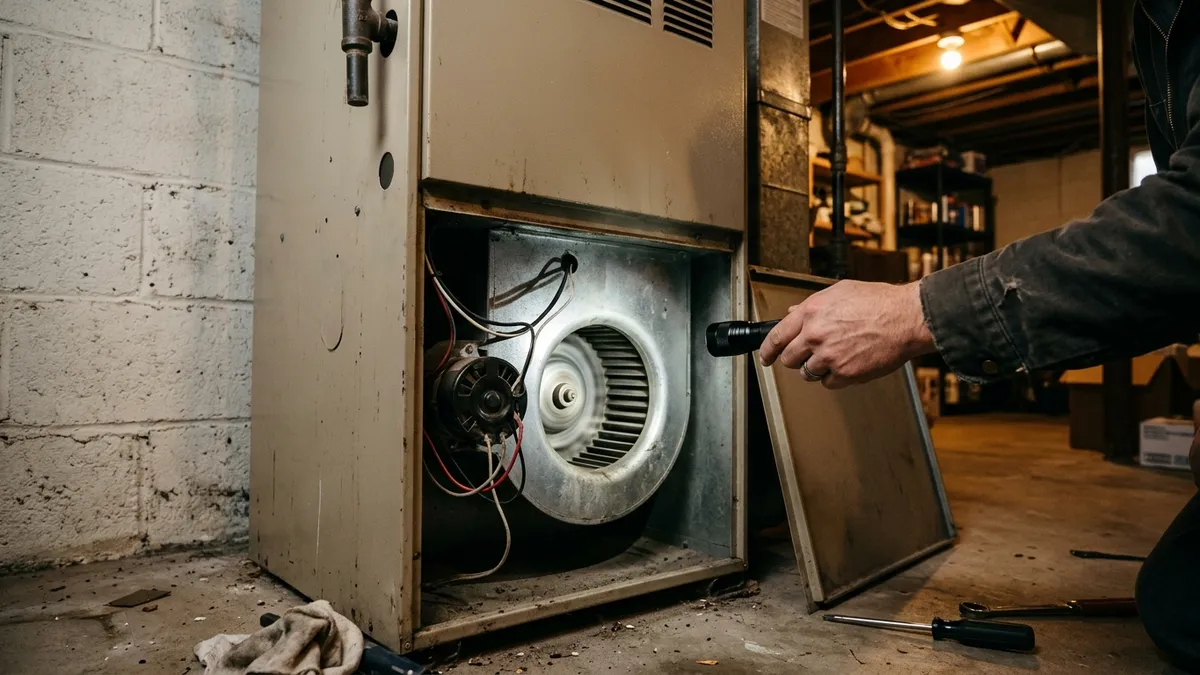
If the furnace blower runs nonstop, check the thermostat fan setting first. Then overheating, a stuck fan relay, a wiring short or a fan limit switch set to manual. How to find which one.
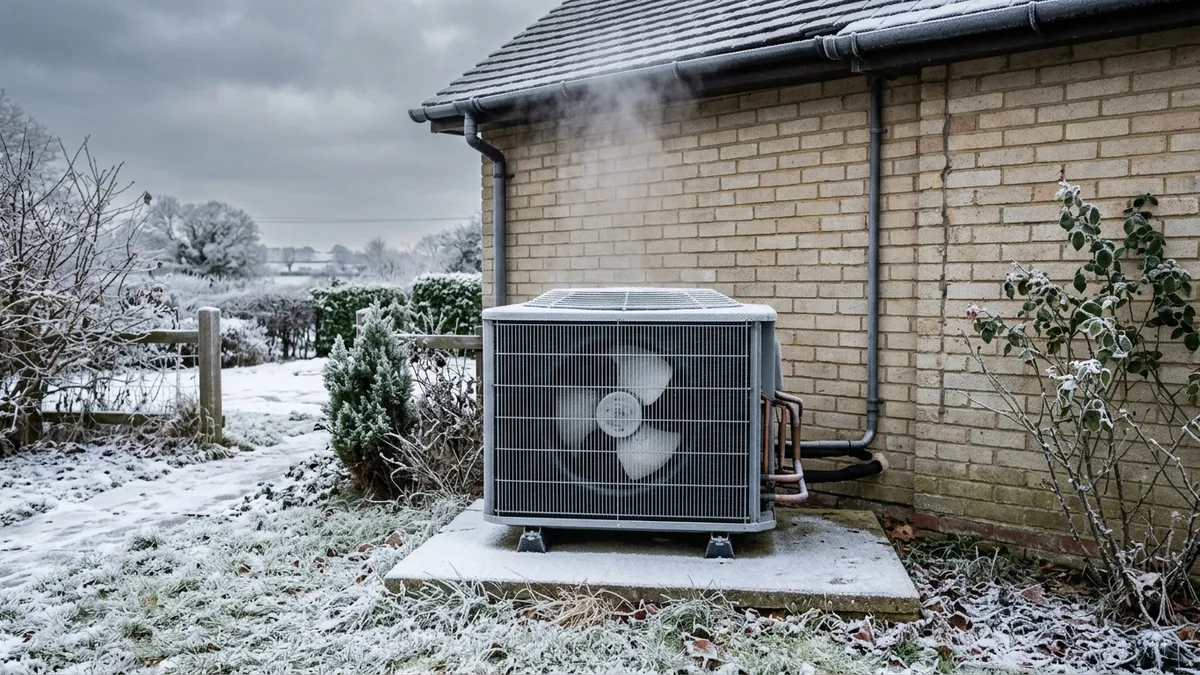
A heat pump that turns on and off every few minutes in winter is short cycling. How to tell it from normal defrost, the common causes from thermostat to refrigerant, and what you can check yourself.
If your ecobee is not heating, check for Calibrating, the mode and setpoint, power and the C wire, wiring, and the equipment settings in the ecobee. When it says it is heating but the house stays cold, the problem is usually the furnace or heat pump.
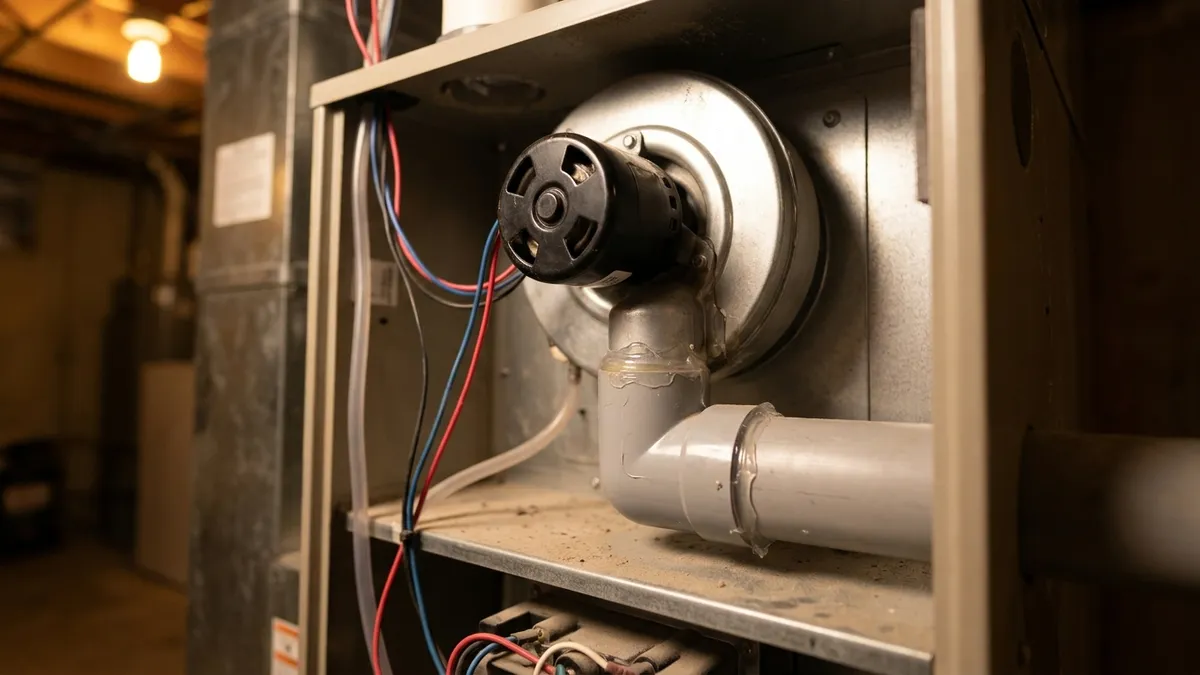
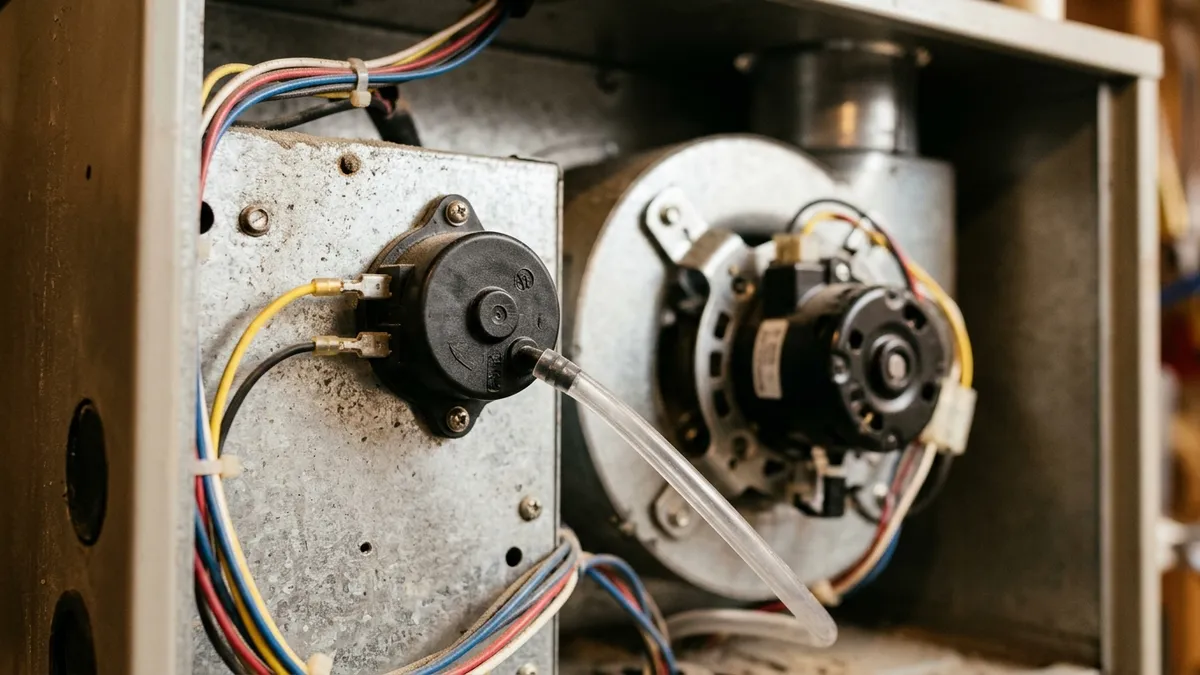
A failing inducer motor stops a gas furnace from lighting at all. The signs, how to tell it from a pressure switch or venting problem, error codes by brand and what repair costs.
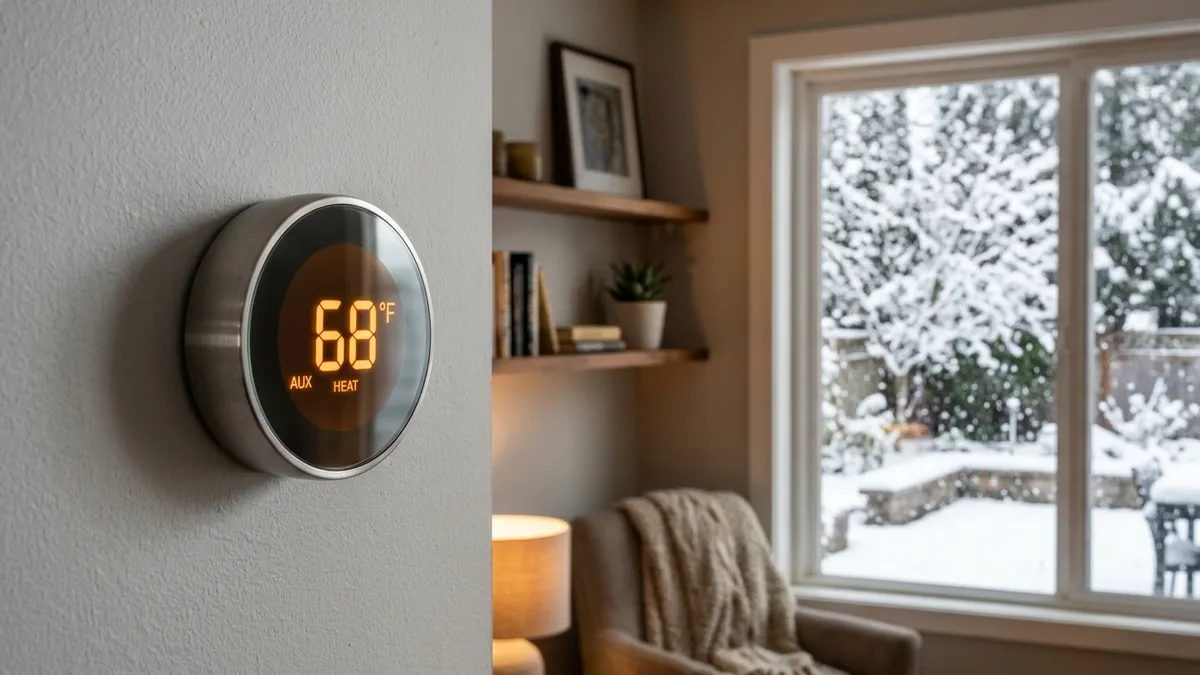
If your Nest keeps showing AUX and your bills are climbing, Heat Pump Balance is the setting to change. What Max Comfort, Balanced and Max Savings do, how to change them and other reasons aux heat runs too much.
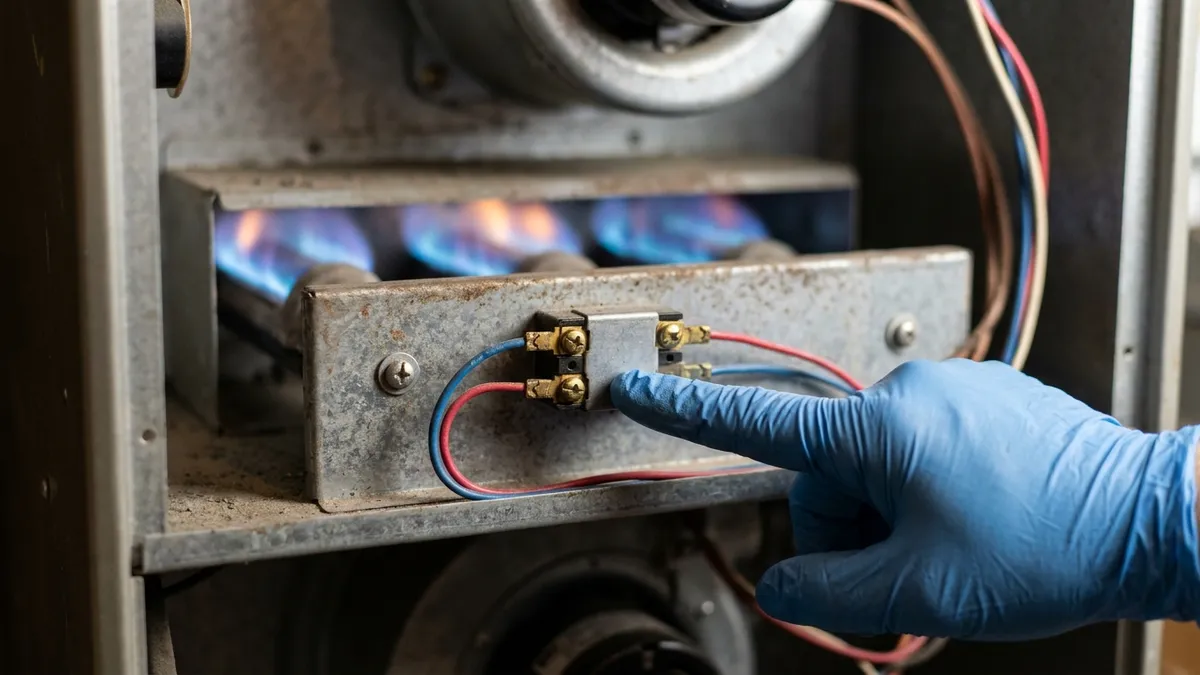
A tripping high limit switch shuts off the burners while the blower keeps running, so you get cold air. It is almost always an airflow problem. Causes, error codes and fixes.
Inducer runs but the furnace never lights? The pressure switch is usually telling you the vent, drain or hose is blocked. Error codes by brand, causes and what you can safely check.
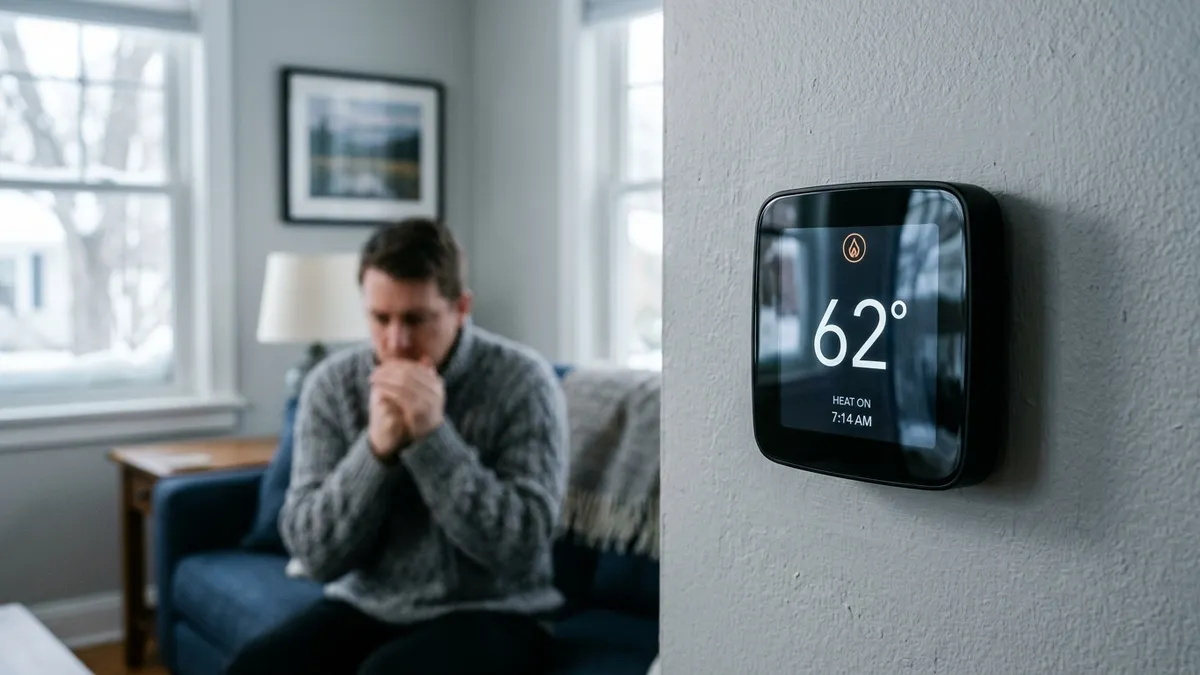
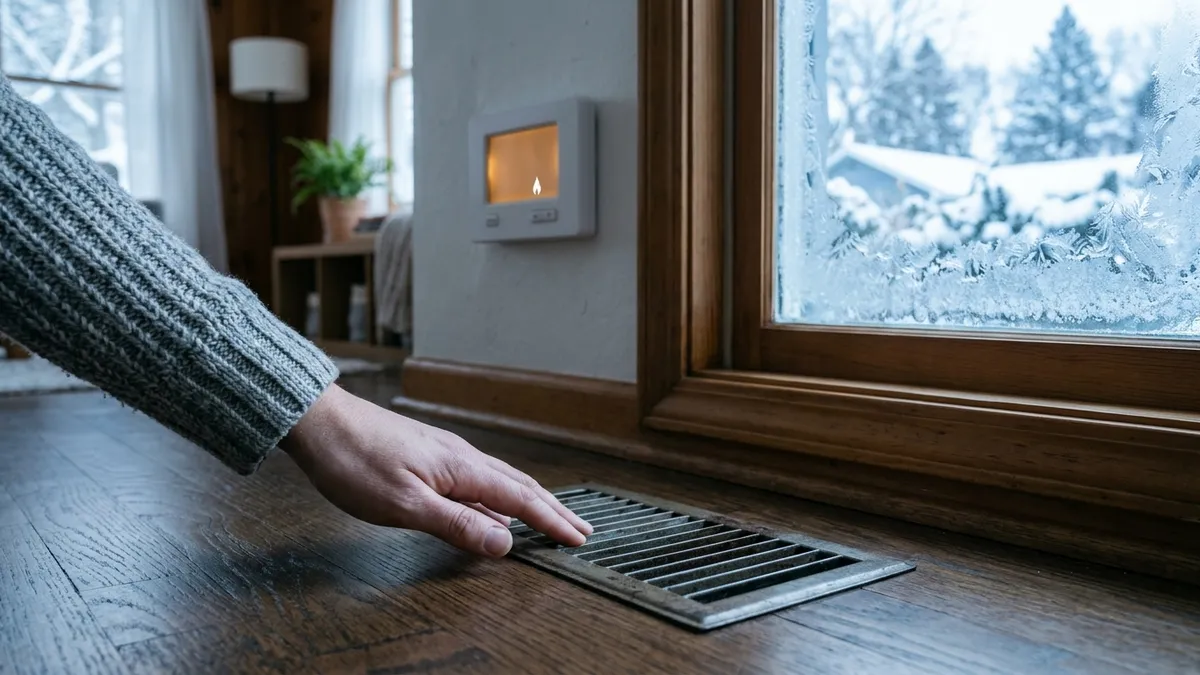
If the thermostat says it is heating but the house stays cold, the signal is not reaching the furnace, the furnace will not light, or the heat is not reaching you. Nine checks in order.
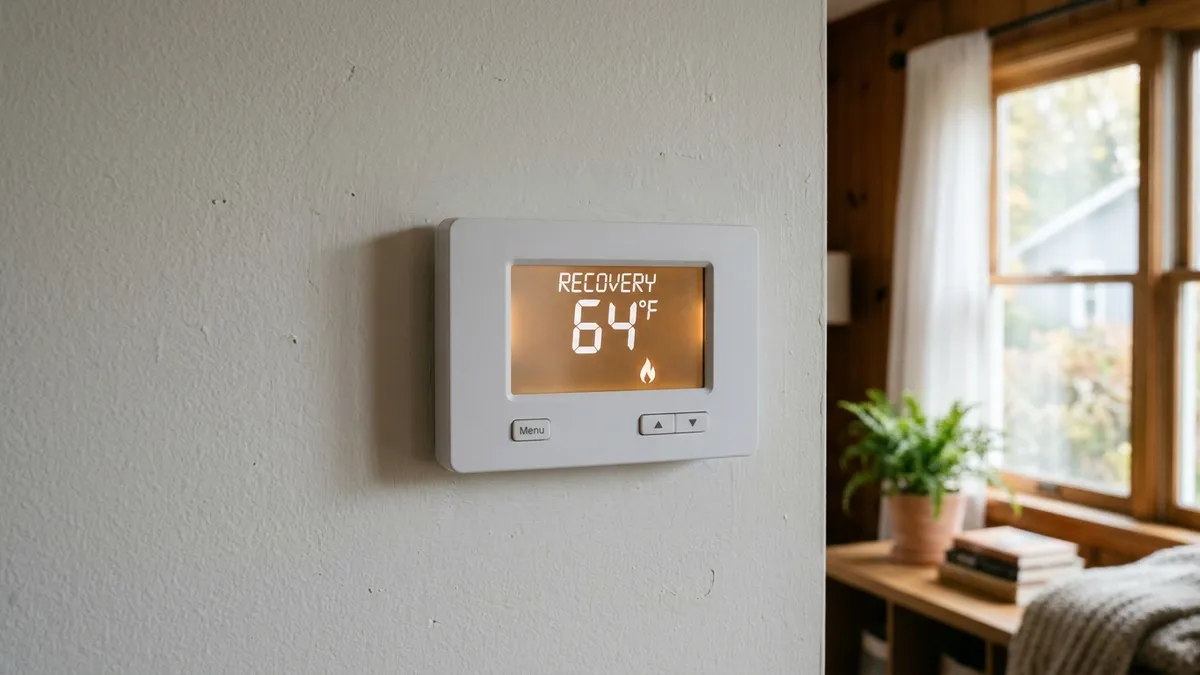
“Recovery” on a Honeywell thermostat means it started heating or cooling early to reach your next scheduled temperature on time. How it works, when it signals a problem, and how to turn it off.